What Is Polycythemia Vera?
Polycythemia vera (pol-e-sy-THEE-me-uh VEER-uh), or PV, is a rare and chronic blood cancer. It’s part of a group of blood cancers called myeloproliferative neoplasms (my-e-lo-pro-lif-er-a-tive neo-plasms), or MPNs.

Taking charge of my treatment: Steven’s story
Steven remembers the moment his life changed when receiving his PV diagnosis. Listen to his experience with initial treatment and why he and his doctor decided that BESREMi was the right choice to control his counts.
Watch more real stories about people using BESREMi →
Get the full picture of BESREMi
Find the facts about PV and BESREMi in the downloadable brochure.
What is PV?
Polycythemia vera (pol-e-sy-THEE-me-uh VEER-uh), or PV, is a rare and chronic blood cancer. It’s part of a group of blood cancers called myeloproliferative neoplasms (my-e-lo-pro-lif-er-a-tive neo-plasms), or MPNs.
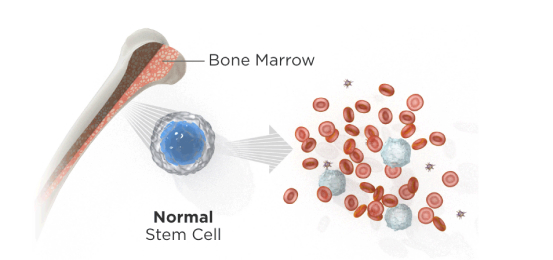
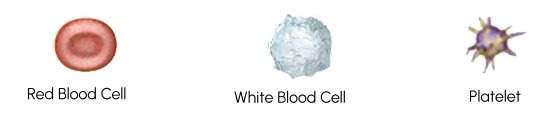
Stem cells in the bone marrow make all the blood cells in your body: red blood cells, white blood cells, and platelets. Your body needs a certain amount of each of these. Normally, your body keeps everything in balance.
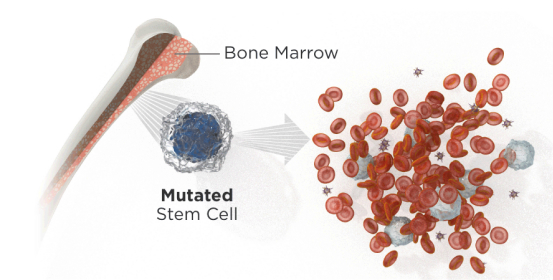
PV occurs when a single stem cell in the bone marrow develops a mutation (or DNA change) and starts to make too many blood cells. This DNA change often happens in a gene called JAK2, which helps make a protein that controls how blood cells grow and divide. Most people with PV have a JAK2 mutation.
The excess of blood cells can cause symptoms and complications of PV. Having too many red blood cells makes the blood thicker, which slows down its flow. Too many platelets can lead to the formation of blood clots. That’s when serious health problems, like heart attack and stroke, may occur. Your doctor may refer to these as “thrombotic events”.
PV symptoms are different for everyone
Some common PV symptoms are listed below. People living with PV may experience one or any combination of these symptoms. Some symptoms might be easy to ignore or blame on something else—but it’s important to tell your doctor about them so you get the care you need.









Are you still experiencing symptoms?
Take a short quiz to see if BESREMi could be the right treatment to address your PV symptoms over the long term.
What do you need to know about treating PV?
If you’re living with PV, keeping your red and white blood cell and platelet counts under control is very important. In addition to putting you at risk for a thrombotic event, PV can also progress to other conditions like myelofibrosis (mie-uh-loh-fie-brOH-suhs) and leukemia.
For years, management of PV has focused on making sure that your hematocrit (he-mat-o-crit), or HCT, level is normal and managing symptoms to improve quality of life. The HCT test measures how much of your blood is made up of red blood cells. But PV can cause an overproduction of all blood cells, not just red blood cells, so focusing only on HCT may not be telling you and your doctor the whole story.
To see the big picture of PV, your doctor can measure your complete hematologic response (CHR), which considers:
- Red blood cell count
- White blood cell count
- Platelet count
- Time since last phlebotomy (fluh-bot-uh-mee)
Your doctor may also look at your spleen size and whether you have had any thromboembolic events. Together with CHR, these measurements can show if you are experiencing comprehensive disease control.
Talk with your doctor about why these measures are essential to tracking how well your PV treatment is working.
See how BESREMi can help you achieve CHR.
IMPORTANT SAFETY INFORMATION
Reference: 1. Referenced with permission from the NCCN Clinical Practice Guidelines in Oncology (NCCN Guidelines®) for Myeloproliferative Neoplasms V.1.2025. © National Comprehensive Cancer Network, Inc. 2025. All rights reserved. Accessed February 25, 2025. To view the most recent and complete version of the guidelines, go online to NCCN.org. NCCN makes no warranties of any kind whatsoever regarding their content, use or application and disclaims any responsibility for their application or use in any way.
Read this Important Safety Information carefully. It explains the serious risks of BESREMi and how to take it safely. Talk to your healthcare provider if you have any questions.
What is the most important information I should know about BESREMi?
BESREMi can cause serious side effects, including conditions that may cause death or may worsen certain serious diseases you may already have. If symptoms get worse, or become severe and continue, your healthcare provider may tell you to stop taking BESREMi permanently. These symptoms may go away in some people after they stop taking BESREMi.
Mental health problems, including suicide
BESREMi may cause mood or behavior problems that can get worse during treatment or after your last dose, including:
- Irritability (getting upset easily)
- Restlessness and agitation
- Confusion
- Depression (feeling low, hopeless, or bad about yourself)
- Unusually grand ideas
- Acting aggressive or impulsively
- Thoughts of hurting yourself or others, or thoughts of suicide
If you develop any of these symptoms, call your healthcare provider immediately.
New or worsening autoimmune problems
BESREMi may cause your immune system to attack healthy cells, leading to conditions such as thyroid disease, increased blood sugar (hyperglycemia), or type 1 diabetes. Call your healthcare provider if you experience:
- Extreme tiredness
- Frequent urination
- Excessive thirst
Heart problems
BESREMi may cause heart problems, including:
- Cardiomyopathy (heart muscle disease)
- Heart attack
- Irregular heartbeat (atrial fibrillation)
- Decreased blood flow to the heart
You should not take BESREMi if you have:
- Uncontrolled high blood pressure
- Congestive heart failure
- A serious abnormal heart rhythm
- Narrowing of the arteries to your heart
- Certain types of chest pain (angina)
- A recent stroke or heart attack
Who should not take BESREMi?
Do not take BESREMi if you:
- Have or had severe mental health problems, especially depression, suicidal thoughts, or attempted suicide
- Have or had a serious or untreated autoimmune disease
- Are allergic to interferon or any ingredient in BESREMi (symptoms may include itching, swelling, trouble breathing, dizziness, or chest pain)
- Have certain types of liver disease
- Have had a transplant and take immune-suppressing medication
Before using BESREMi, tell your healthcare provider about all of your medical conditions, including if you have any of the following:
Do not take BESREMi if you:
- A mental illness
- Type 1 diabetes
- Heart or bleeding problems
- Problems with your immune system
- Hepatitis B or HIV infection
- Kidney or liver problems
- Are pregnant or planning to become pregnant
- BESREMi may harm your unborn baby. Use effective birth control during treatment and for at least 8 weeks after your last dose
- BESREMi may affect your menstrual cycle and could stop your periods
- Do not breastfeed while taking BESREMi
What are the possible side effects of BESREMi? Serious side effects include:
- Low blood cell counts: taking BESREMi can lead to infections, anemia, or bleeding problems. Call your healthcare provider right away if you develop weakness and tiredness, bruising easily, nose bleeds often, fever, chills, burning and painful urination, urinating often, or coughing up yellow or pink mucus (phlegm)
- Serious allergic reactions: Get medical help right away if you get any of the following symptoms: skin rash or hives; itching; swelling of the face, eyes, lips, tongue, or throat; trouble breathing; chest pain; or feeling faint
- Eye problems: BESREMi can cause severe eye problems with your retinas that can lead to vision loss or blindness. You should have an eye exam before and during treatment with BESREMi if you have diabetes or high blood pressure and also have retinal problems
- Liver problems: BESREMi can cause increases in liver enzymes and liver damage. Your healthcare provider should do blood tests to monitor your liver enzymes and liver function before you start and during treatment with BESREMi
- Kidney problems: Your healthcare provider will do blood tests to check your kidney function before starting and during treatment with BESREMi. Tell your healthcare provider right away if you develop any symptoms of a kidney problem, including: changes in the amount or color of your urine, swelling in your ankles, blood in your urine, or loss of appetite
- Tooth and gum problems: BESREMi can cause tooth loss and/or dry mouth. It is important for you to brush your teeth well, two times each day and have regular dental examinations during treatment with BESREMi
- Skin reactions: BESREMi may cause reaction such as rash, itching, and hair loss
- Increased triglycerides: You may require blood tests to monitor levels
The most common side effects of BESREMi include:
- Flu-like symptoms, including tiredness, weakness, fever, chills, muscle aches, and joint pain
- Itching
- Sore throat
These are not all of the possible side effects of BESREMi.
Call your doctor for medical advice about side effects. You may report side effects to PharmaEssentia at 1-800-999-2449 or FDA at 1-800-FDA-1088.
Please see full Prescribing Information, including Boxed Warning and Medication Guide for BESREMi.